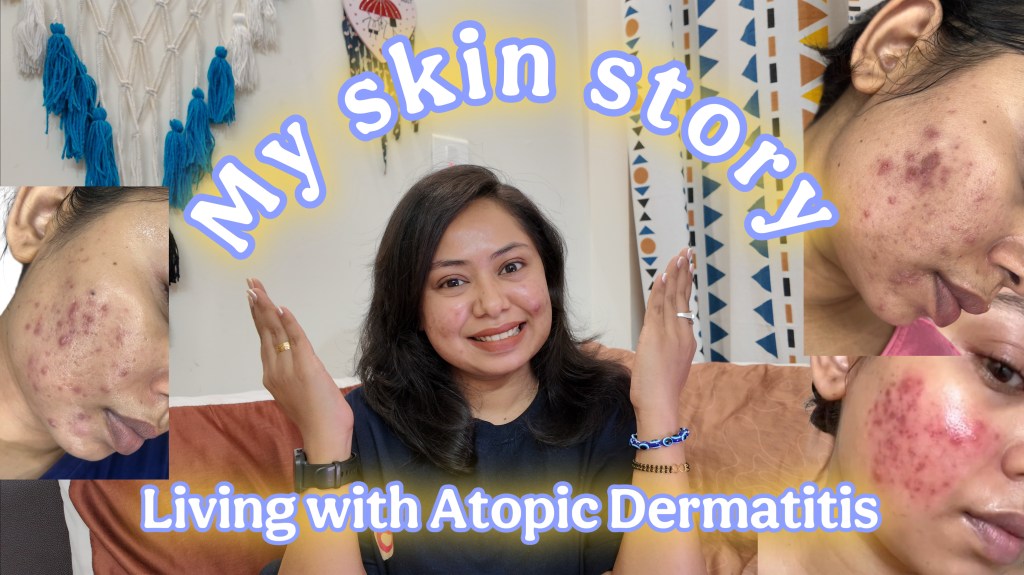
I have heard so many times that I have so much acne and inflammation on my skin, hence I am not capable to give skincare advice. But that’s like telling a cardiologist they can’t develop heart disease just because they treat them.
We can’t always control the medical conditions we inherit due to genetics. One such condition is atopic dermatitis, commonly known as eczema—and no, it’s not contagious. Growing up, I had crystal-clear skin while many of my classmates were dealing with teenage acne. My skin issues came much later in life, during my last years in college, when I started suffering from severe allergies. But the first symptoms weren’t even skin-related—they were respiratory: constant sneezing, coughing, a runny and stuffy nose, and even breathing difficulties. It got so bad that I had oxygen cylinders in my room to help me breathe. These issues started when I was in the 11th standard, long before they showed up on my skin.
However, in India, very few people are aware of this condition, and even fewer doctors know how to diagnose or treat it properly. I had my fair share of misdiagnoses, where my breathing issues were brushed off as mere “anxiety”. I was often sent home from the emergency room after being given oxygen for a few hours. Back then, my condition wasn’t as severe as it is now, so I managed to get by. But things took a turn for the worse later on.
A Pharmacy Student Diagnosing Herself
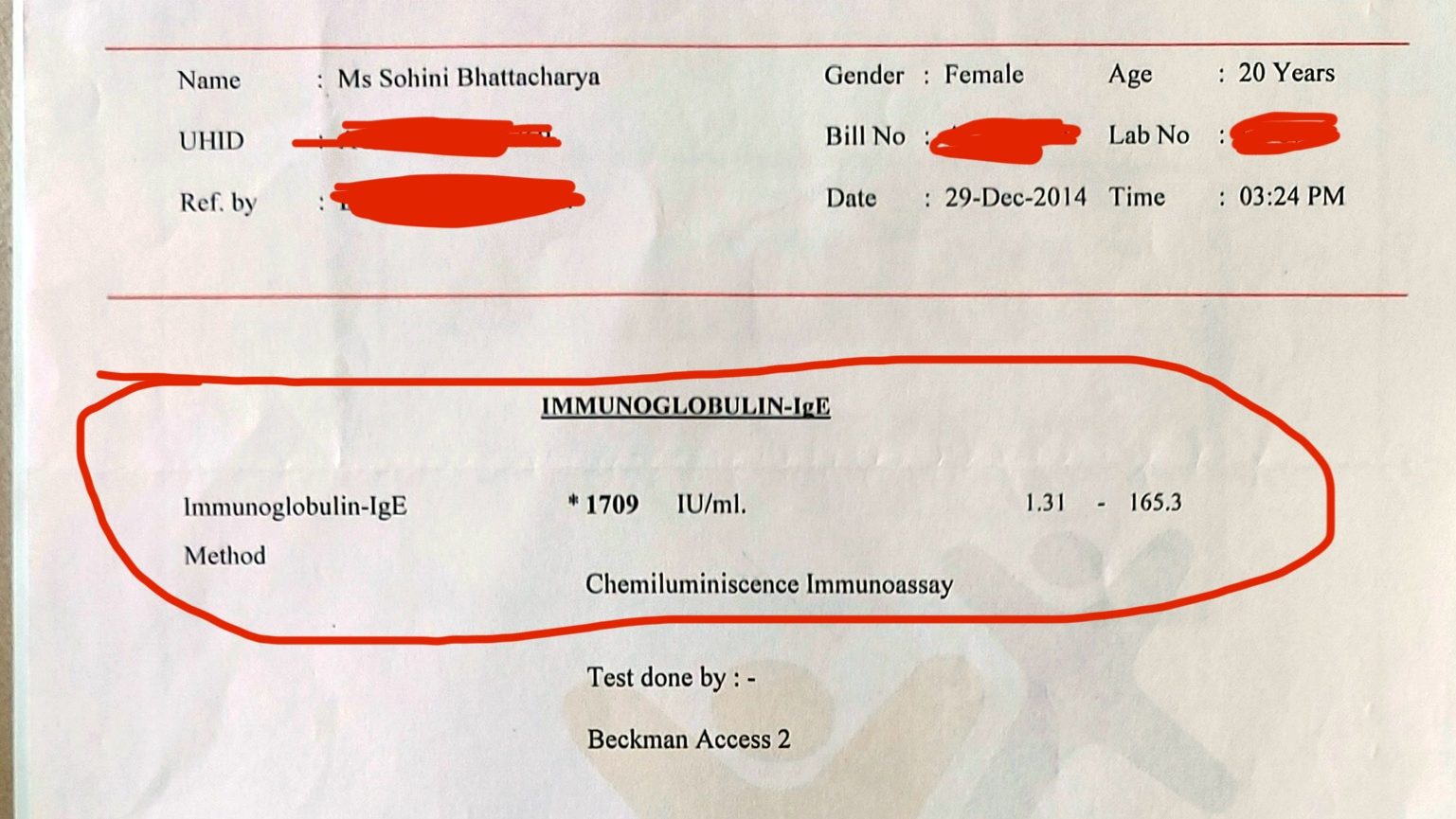
When I started studying pharmacy, I learned about allergic conditions, and the symptoms matched exactly what I had been experiencing. So, I decided to take matters into my own hands and got myself tested for allergies. The results? Shocking. My IgE (Immunoglobulin E) levels were extremely high, and I was allergic to foods that are generally considered healthy—including apples! On top of that, I discovered I was allergic to dust, one of the most common allergens.
With the right medications and dietary restrictions, I was able to keep things under control—not cured, just managed. But life got busy. I moved to a different city, and soon, my condition was reduced to just popping an anti-allergy pill every night to stay stable.
Then, COVID-19 happened, and that’s when I experienced my first major skin flare-up. By that time, I had unknowingly developed a wheat allergy, and like most of us, I ate rotis every day. Without realizing it, I was triggering my own condition. This resulted in severe skin reactions and eye allergies—some of the worst flare-ups I’ve ever had.
Oh, and let’s not forget PCOD (Polycystic Ovarian Disease), which also played a role in my acne. But that’s a story for another blog.
The Reality of Living with Severe Allergies
Recently, I underwent skin prick tests and allergy screenings again. The results showed that my overall allergy, including dust allergy had worsened significantly. And honestly? I could feel it. My skin flares up randomly, and I have to be extremely cautious about the skincare products I use.
Contrary to popular belief, my skin issues are not because I “try too many products” or “wear too much makeup.” They are solely due to my medical condition. Yes, some products do cause reactions, but those are manageable.
Now, I’ve started immunotherapy, a long-term treatment (3-5 years) that could potentially help me control my allergies better. I just hope it works so I can improve my quality of life.
Why I Share My Story
I decided to share this journey for two reasons:
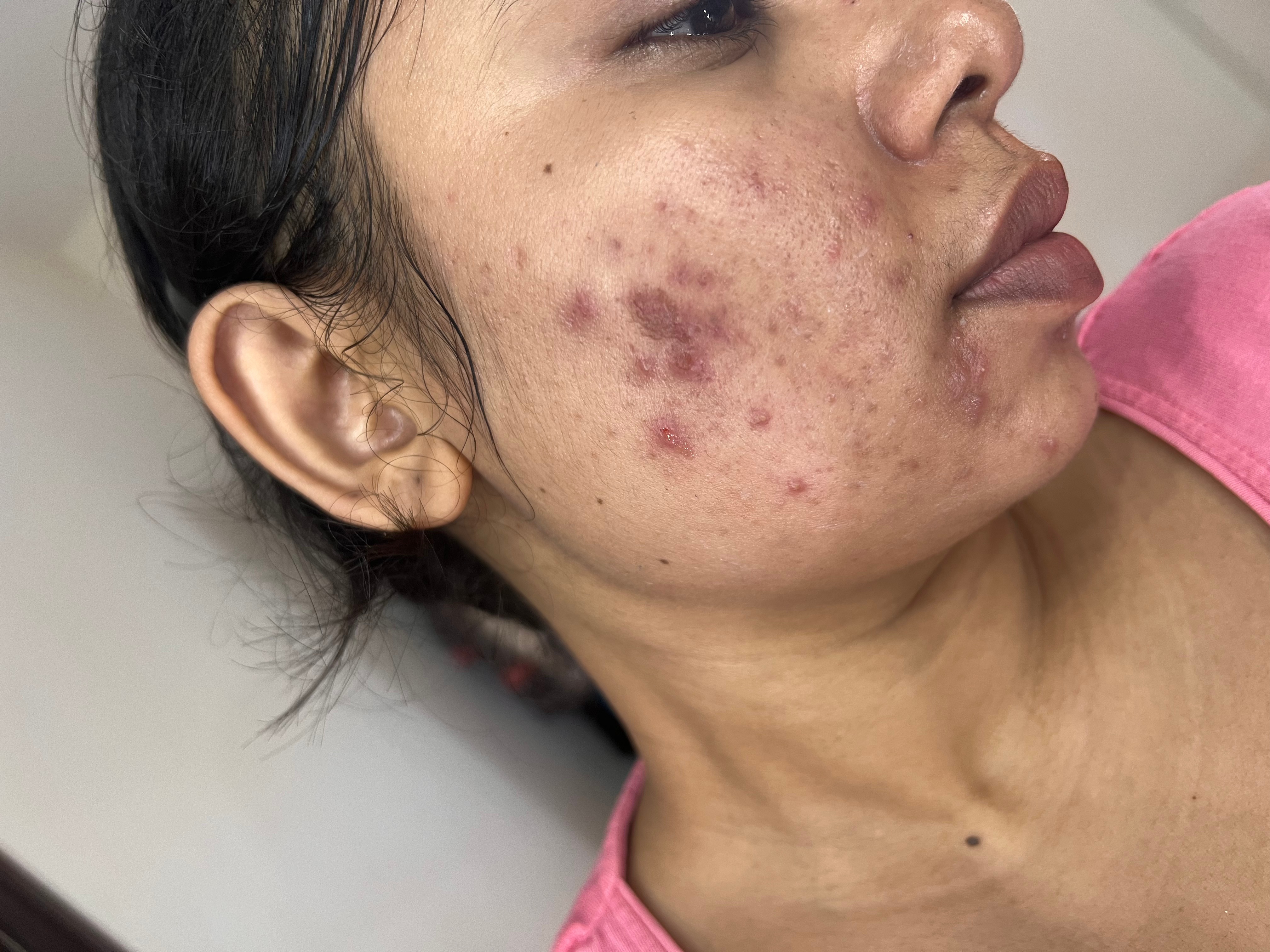


- To show people the reality behind all the filters
- To help others facing similar skin conditions know that they are not alone.
- To spread awareness about these conditions so people learn to be more understanding and kind.
So yes, I may be a pharmacist who loves skincare, but I’m also someone with severe skin issues. That’s exactly why you can trust me when I talk about a product that works—because I truly understand the struggle.
Let’s continue this journey together, embracing beauty with science, awareness, and self-love. 💙


 Sohini Bhattacharya
Leave a comment